Buying & Selling Vacant Mountain Land in Colorado
I have been selling vacant mountain land in Colorado since 1978. I was licensed a few years after Senate Bill 35 passed, and I have spent the decades since watching that legislation shape the way rural land gets bought, sold, subdivided, and developed across the Front Range and into the Rockies.
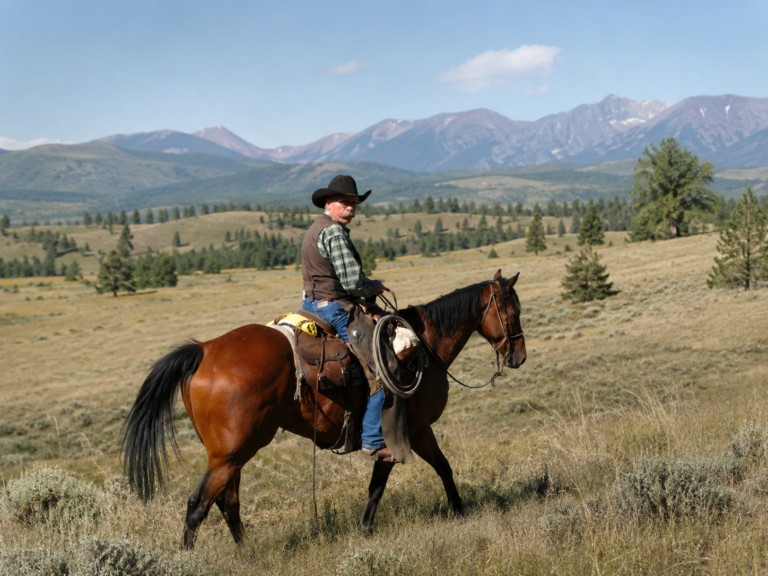
I have walked properties in the rain, in the snow, and on days so clear you can see from the Continental Divide to the plains. I have worked with buyers who knew exactly what they wanted and buyers who thought they knew until they stood on a piece of ground and felt something shift. I have seen the market cycle through booms and corrections more times than I can count, and I have learned that mountain land has its own rhythm that does not always follow what is happening in the residential market down in Denver.
If you are thinking about buying vacant mountain land in Colorado, here is what I want you to know before you start.
Mountain Land Is Its Own Animal
The biggest mistake buyers make is approaching vacant mountain land the way they would approach buying a house. They are not the same transaction and they require very different knowledge.
When you buy a house, someone has already solved the hard problems. The utilities are connected. The road is paved. The zoning is established. The well works and the septic is permitted. You are buying a finished product.
When you buy vacant mountain land, you are buying potential. And potential has to be evaluated carefully, because not all of it is equal and some of it is a great deal more complicated than it first appears.
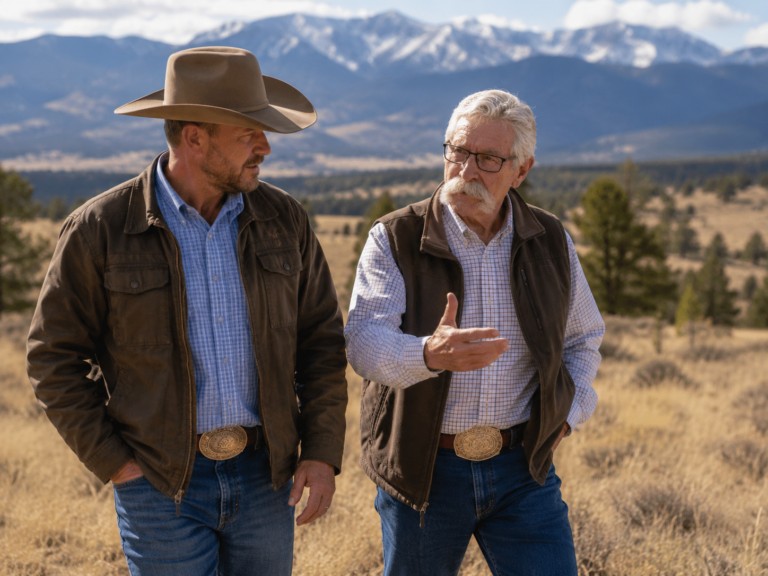
I walk every property I sell with my buyers, because there is no substitute for standing on a piece of ground and understanding what you are actually looking at. A topographic map tells you about elevation. A survey tells you about boundaries. But walking the land tells you about access, about aspect, about water, about the way the sun moves across the property in different seasons, and about whether this particular piece of Colorado is actually the right fit for what you have in mind.
That is time I am glad to invest. It matters.
What Senate Bill 35 Means for Colorado Land Buyers
In 1972, Colorado passed Senate Bill 35, and if you are buying rural land in this state you need to understand what it did and how it still shapes the market today.
Before SB35, rural land in Colorado could be subdivided with relatively few restrictions. Developers could create large numbers of small lots in remote mountain areas, sell them to buyers with big dreams, and leave those buyers to figure out the realities of access, water, and services on their own. The legacy of that era is still visible across the Colorado mountains. Thousands of platted lots in old subdivisions that were recorded before modern infrastructure and environmental standards still exist.
SB35 required counties to review and approve subdivisions, which dramatically changed how rural land could be developed going forward. It also means that when you are looking at a piece of mountain land today, the regulatory history of that parcel matters enormously. Is it in a pre-35 subdivision? What covenants apply? What does the county allow on this specific piece of ground?
These are not abstract questions. They directly affect what you can build, whether you can get permits, and ultimately what the land is worth. I have been navigating these questions since the law was new. That history is not something you can learn from a weekend course or a real estate licensing exam.
The Questions That Actually Matter Before You Make an Offer
Over 45 years of selling mountain land, I have developed a clear sense of what separates a good purchase from an expensive mistake. Here are the questions I want every buyer to be able to answer before they write an offer.
How do you get there, and can you get there year-round? Access is everything in mountain land. A beautiful parcel with a seasonal road that closes in November is a very different investment than one with year-round paved access. Who maintains the road? Is there a road maintenance agreement? Is the access across private property, and if so, is there a legal easement? I have seen buyers fall in love with land they could not reliably reach in winter. That is a problem worth understanding before you close.
Can you get water? In Colorado, water is never a given. For a mountain parcel, that typically means a well, and well feasibility varies dramatically by location, geology, and depth. Some areas have reliable water at reasonable depths. Others require wells that go hundreds of feet and still produce limited flow. A water attorney and a well driller’s assessment are not optional expenses, they are essential due diligence on any mountain parcel where water is not already established.
What does the septic situation look like? Every structure needs a way to handle wastewater, and in mountain Colorado that usually means a septic system. Soil conditions, slope, lot size, and setback requirements all affect whether a conventional system will work, whether you will need an engineered alternative, and what that will cost. A percolation test before you close is money very well spent.
What can you actually build here? County zoning, covenants, fire district requirements, and setback rules all affect what is buildable on a given parcel. A piece of land that looks perfect on a map may have restrictions that limit what you can put on it. Understanding the buildability of a parcel before you buy is not optional, it is the whole point.
Are there any encumbrances you need to know about? Mining claims, easements, water rights, right-of-way issues, and title encumbrances can all affect mountain land in ways that do not come up in residential transactions. Colorado’s mining history means that old claims can affect surface rights in ways that surprise buyers. I have seen enough of these situations over the years to know that a thorough title review and a broker who knows what to look for are essential.
What is the wildfire risk and what does that mean for insurance and building? This is a question that has become more important with every passing year in Colorado. Wildfire risk affects insurance availability, building requirements, and the practical reality of living on or developing a mountain parcel. Some areas have defensible space requirements. Some insurance carriers will not write policies in certain zones. Understanding the fire risk profile of a specific parcel before you buy is increasingly essential due diligence.
What Market Cycles Have Taught Me
I have sold mountain land through multiple boom and bust cycles since 1978. The 1980s oil bust. The savings and loan crisis. The dot-com correction. The 2008 financial crisis. The pandemic boom. The normalization that followed.
Mountain land does not move the way residential real estate moves, and buyers who understand that tend to make better decisions than buyers who apply residential market logic to land purchases.
Vacant land is more patient than houses. It does not depreciate from deferred maintenance. It does not need a new roof. It sits and waits, and the right buyer eventually finds it. That means land pricing does not respond to market shifts as quickly as housing prices do, and it also means that land purchased thoughtfully tends to hold its value through cycles that rattle the residential market.
What I tell buyers is this: buy land you would be happy to own for ten years even if the market does not cooperate immediately. Buy it because the specific piece of ground speaks to you and meets your needs, not because you think you are timing a market cycle perfectly. The buyers I have seen do best with mountain land are the ones who bought something they really wanted and then let time do its work.
Where I Work and How I Market Land
I sell vacant mountain land all along the Colorado Front Range and throughout the Rockies, including Park County, Jefferson County, Clear Creek County, Gilpin County, and the surrounding mountain communities. These are areas I know from the ground up, not from a database.
Marketing mountain land requires reaching the right buyers, and that means going beyond the MLS. I market my listings through Legacy 100 Real Estate Partners, through mtnlandforsale.com, and through the specialized land listing platforms where serious land buyers actually search. Reaching a buyer who specifically wants a mountain parcel in Colorado requires different marketing than selling a house in Denver, and I have spent decades learning where those buyers look and how to reach them.
If you are thinking about buying or selling vacant mountain land in Colorado, I would be glad to talk. I show properties by appointment because I believe in taking the time to actually walk the ground with serious buyers. That is how you find out what a piece of land is really about.
At Legacy 100 Real Estate Partners, we believe that real expertise in a specific type of property makes a real difference for our clients. Mountain land is not a sideline for me. It is what I have been doing since 1978.
Our experience. Your legacy.
Contact Mark Skelton at Legacy 100 Real Estate Partners to talk about Colorado mountain land.